Address
304 North Cardinal St.
Dorchester Center, MA 02124
Work Hours
Monday to Friday: 7AM - 7PM
Weekend: 10AM - 5PM
Address
304 North Cardinal St.
Dorchester Center, MA 02124
Work Hours
Monday to Friday: 7AM - 7PM
Weekend: 10AM - 5PM


 Byadmin
In a rapidly evolving fashion landscape, one thing remains constant: the enduring appeal of tradition and authenticity. These old Scottish luxury brands are keeping heritage alive by preserving the values, craftsmanship, and aesthetic excellence that have defined them for generations. From the misty Highlands to the cobbled streets of Edinburgh, Scotland’s luxury fashion houses are known not only for their superior materials—especially wool and cashmere—but also for the cultural legacy woven into every stitch.
Scotland’s contribution to fashion, particularly in menswear and luxury textiles, is rooted in centuries of artisan skills passed down through families and communities. These heritage brands aren’t just maintaining tradition; they’re redefining it for modern audiences who appreciate quality, sustainability, and stories behind what they wear. Let’s explore some of the most iconic Scottish luxury brands that continue to shape the fashion industry while staying true to their roots.
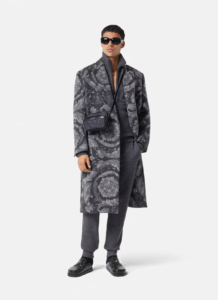
Versace, founded in 1978 by Gianni Versace in Milan, is an iconic Italian luxury fashion house renowned for its bold designs and opulent aesthetic. While its roots are firmly Italian, Versace has demonstrated a global appeal, including a notable presence in Scotland. In 1991, the brand opened its first boutique outside of Italy in Glasgow, Scotland, signaling its commitment to expanding its reach and embracing diverse cultural influences.
This expansion into Scotland reflects Versace’s recognition of the country’s rich textile heritage and its potential to resonate with the brand’s luxurious offerings. Although Versace does not have Scottish origins, its decision to establish a boutique in Glasgow underscores its appreciation for the craftsmanship and style associated with Scottish fashion. This move allowed Versace to blend its Italian luxury with Scottish elegance, offering a unique fusion that appealed to a broader audience.
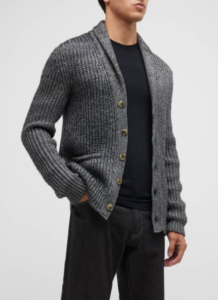
Giorgio Armani, the renowned Italian fashion designer, has long been celebrated for his minimalist elegance and impeccable tailoring. While Armani’s roots are firmly planted in Italian soil, his influence has extended globally, resonating with fashion enthusiasts worldwide, including those in Scotland. Armani’s designs, characterized by clean lines and neutral palettes, have found a receptive audience in Scotland, a country known for its appreciation of quality craftsmanship and timeless style. The brand’s commitment to understated luxury aligns seamlessly with Scottish sensibilities, making Armani a favored choice among discerning Scottish consumers.
Moreover, Armani’s presence in Scotland has been marked by its boutiques and the brand’s participation in fashion events that celebrate sartorial excellence. While not a Scottish brand, Armani’s ability to harmonize its Italian heritage with the tastes and preferences of the Scottish market underscores its versatility and global appeal. This cross-cultural resonance highlights how Armani, while maintaining its distinctive identity, has become an integral part of Scotland’s luxury fashion landscape.

Fendi, the iconic Italian luxury fashion house, has recently embraced Scottish heritage through its innovative “Hand in Hand” initiative. In collaboration with Prickly Thistle, a contemporary tartan design and manufacturing brand based in the Scottish Highlands, Fendi has created a unique Baguette bag that celebrates Scotland’s rich textile traditions. This partnership highlights Fendi’s commitment to preserving and promoting local craftsmanship by integrating traditional Scottish tartan patterns into its designs. The bespoke tartan, officially registered with the Scottish Register of Tartans, features elements significant to Fendi’s history, such as the brand’s founding year (1925) and the launch years of its iconic Baguette (1997) and Peekaboo (2008) bags .
Beyond accessories, Fendi’s appreciation for Scottish influence extends to its menswear collections. The Fall/Winter 2024-2025 collection, unveiled at Milan Fashion Week, showcased designs inspired by traditional Scottish attire. Elements such as pleated shorts reminiscent of kilts and checked skirts were featured, blending Scotland’s sartorial heritage with Fendi’s contemporary aesthetics. This fusion of Italian luxury and Scottish tradition underscores Fendi’s dedication to honoring diverse cultural influences while maintaining its signature style.

DC Milan, an Italian menswear brand founded by DC Singh in 2012, has carved a niche in the luxury fashion landscape by offering high-quality garments at accessible prices. While not a Scottish brand, DC Milan’s commitment to craftsmanship and timeless design resonates with the principles upheld by traditional Scottish luxury labels. The brand’s offerings, including embroidered denim jackets and premium sweatshirts, reflect a blend of classic tailoring and contemporary aesthetics, appealing to a global audience seeking both style and substance.
DC Milan’s approach to fashion emphasizes the importance of quality materials and meticulous construction, values that align with the heritage of Scottish luxury fashion. By maintaining production standards that prioritize durability and elegance, DC Milan contributes to the preservation of traditional fashion values in a modern context. The brand’s presence in international markets and participation in global fashion events underscore its influence and commitment to delivering luxury fashion that honors the past while embracing the future.
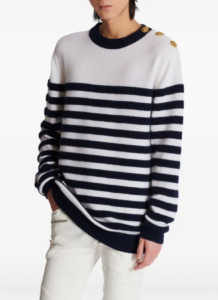
Balmain, the iconic French fashion house founded by Pierre Balmain in 1945, has long been celebrated for its luxurious designs and impeccable craftsmanship. While Balmain’s roots are firmly planted in Parisian haute couture, its influence and appreciation for global fashion traditions are evident. Notably, Balmain has drawn inspiration from various cultural heritages, including elements reminiscent of Scottish fashion. The brand’s signature structured tailoring and use of rich fabrics echo the meticulous craftsmanship found in traditional Scottish garments. This fusion of French elegance with global influences showcases Balmain’s commitment to honoring diverse fashion legacies while maintaining its distinctive style.
Under the creative direction of Olivier Rousteing since 2011, Balmain has continued to evolve, blending its storied heritage with contemporary aesthetics. Rousteing’s designs often incorporate bold patterns and textures that pay homage to various cultural motifs, potentially drawing parallels to Scottish tartans and textiles. By integrating these elements into modern silhouettes, Balmain bridges the gap between traditional craftsmanship and avant-garde fashion. This approach not only reinforces Balmain’s position as a global fashion powerhouse but also underscores its dedication to celebrating and preserving the richness of diverse cultural heritages within its collections.
In an ever-evolving fashion industry where trends come and go, the enduring presence of old Scottish luxury brands stands as a testament to the timeless value of heritage, craftsmanship, and authenticity. These iconic names, from storied textile mills to high-fashion houses inspired by Scottish tradition, have remained steadfast in their dedication to preserving Scotland’s rich cultural identity. They don’t just produce garments; they weave history into every fiber, keeping ancestral techniques and local craftsmanship alive in the modern era.
By blending traditional materials like cashmere and tartan with contemporary design sensibilities, these brands prove that heritage can be both revered and reimagined. Whether it’s through innovative collaborations or continued commitment to local artisanship, old Scottish luxury brands are not just surviving — they are thriving and influencing global fashion narratives. As consumers grow more conscious of sustainability and authenticity, the relevance of these heritage brands continues to grow, proving that true luxury is rooted in legacy.